


Vessel Efficiency
Vessel Efficiency Through Safe and Reliable Operations
Achieving optimal performance at sea is crucial for reducing operational costs and environmental impact. Focusing on vessel efficiency enables companies like North Sea Shipping to enhance safety, reliability, and sustainability across their fleet. Leveraging advanced technology and experienced crews ensures vessels operate at peak performance while meeting the highest industry standards. Continuous improvement in efficiency not only benefits the bottom line but also supports long-term environmental goals.
How vessel efficiency drives safety and sustainability at sea
Vessel efficiency is at the heart of safer and more sustainable marine operations. By prioritizing efficient vessel management, companies like North Sea Shipping can reduce fuel consumption, minimize emissions, and extend the operational lifespan of their fleet.
Advanced technology, combined with experienced maritime professionals, ensures that vessels are maintained to the highest standards, supporting both reliability and operational excellence. Implementing robust safety and quality management systems further enhances vessel efficiency, allowing for proactive maintenance and streamlined operations.
These practices not only meet strict industry certifications but also contribute to a cleaner environment and lower operational costs, making vessel efficiency a key factor in modern marine success.
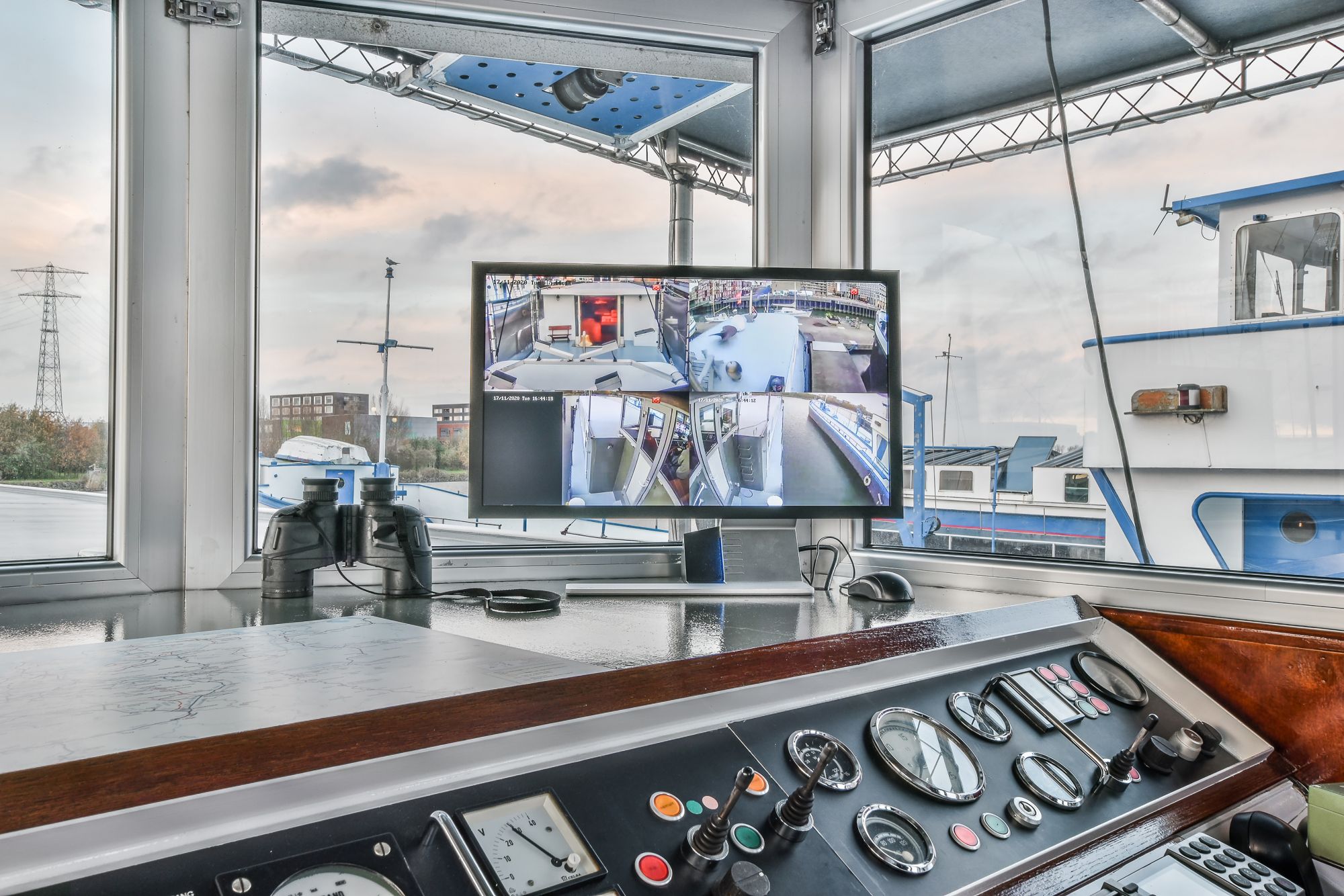
Certified Systems for Vessel Efficiency

Vessel efficiency improves when every process is guided by clear, certified standards. Strong management systems aligned with ISM, ISPS, MLC, ISO 9001, ISO 14001, and ISO 45001 create a structured framework for safe and effective vessel operations. These standards support consistent maintenance, better environmental control, and stronger quality assurance across all activities. They also help crews follow best practices that reduce risk, limit downtime, and improve vessel performance over time. By integrating compliance into day-to-day operations, efficiency becomes part of every decision onboard and ashore. This approach makes vessel efficiency more dependable, measurable, and aligned with industry expectations.
Enhancing vessel efficiency through advanced technology and quality management
Achieving high vessel efficiency relies on the integration of cutting-edge technology and rigorous quality management systems. Utilizing modern digital tools and data-driven insights, marine operators can monitor vessel performance in real time, enabling proactive maintenance and reducing the risk of unexpected downtime. Certified management systems, including ISO and ISM standards, ensure that every aspect of vessel operation aligns with global best practices for safety, security, and environmental protection. Maritime professionals with extensive experience work alongside these technologies to uphold operational standards and implement continuous improvements. This combination of expertise and innovation not only maximizes vessel efficiency but also supports safer, more sustainable, and cost-effective marine operations.
Data-Led Maintenance for Vessel Efficiency
Vessel efficiency improves when maintenance is guided by real operating data rather than fixed intervals alone. Continuous monitoring helps crews detect small performance changes before they become costly failures. This supports better planning, fewer delays, and more reliable offshore service. Preventive action also reduces unnecessary repairs and helps extend equipment life. With structured maintenance routines, vessels remain ready for demanding projects. The result is vessel efficiency that supports uptime, safety, and long-term cost control.
Compliance Routines That Protect Efficiency
Strong compliance routines are a practical foundation for vessel efficiency in offshore operations. Clear procedures support safer work, more reliable performance, and fewer costly disruptions at sea. When crews follow structured standards for safety, security, quality, and environmental control, daily operations become more consistent. This reduces unnecessary downtime and helps maintain readiness for demanding projects. Certified systems also improve documentation and decision-making across vessel management. The result is measurable, repeatable vessel efficiency aligned with strict industry expectations.
FAQ
Vessel efficiency lowers fuel use, cuts emissions, and improves uptime during offshore operations. It also supports safer performance by reducing equipment strain, improving maintenance planning, and helping crews provide reliable service in demanding marine environments.
Certified systems establish clear routines for maintenance, safety, environmental control, and crew procedures. This structure reduces downtime, supports compliance, improves decision-making, and makes vessel efficiency more consistent across daily operations and long-term projects.
Data-led maintenance uses real-time performance insights to identify small issues early. By acting before failures occur, operators can reduce repair costs, avoid delays, extend equipment life, and maintain vessel efficiency under tough offshore working conditions.
Experienced crews enhance vessel efficiency by operating equipment correctly, following strict safety routines, and responding quickly to changing conditions. Their practical knowledge helps optimize performance, protect assets, and maintain dependable offshore service with lower operational risk.
Vessel efficiency is central to North Sea Shipping’s operations, driving both sustainability and operational excellence. Continual investment in advanced technology, innovative vessel design, and integrated management systems allows us to optimize fuel consumption, reduce emissions, and maximize uptime across our fleet. Experienced crews leverage state-of-the-art navigation and automation to ensure precise operations, while robust maintenance routines minimize downtime and extend vessel lifespan. By combining real-time data monitoring with proactive performance analysis, we identify opportunities for improvement and maintain industry-leading standards in energy efficiency. This commitment supports our environmental goals and delivers cost-effective solutions for complex offshore projects, ensuring every voyage achieves optimal results with minimal impact.